2025: The Year in Impact
2025 delivered sweeping federal policy shifts, growing health care workforce shortages, and rapid AI advancements that shifted the health care and health policy landscapes. Penn LDI met the moment, by turning evidence into action to shape smarter health policy. In 2025, our commitment to driving positive change through transformative research powered a series of standout achievements:
- Quantifying the mortality impacts of the budget reconciliation bill in a Senate-requested analysis.
- Driving legislative action to improve early pregnancy care through a partnership between our Maternal Health Working Group and the PA Women’s Health Caucus.
- Mobilizing local prison system leaders to advance telehealth access to surgical care for incarcerated people.
- Generating a critical insight on a major health policy debate before Congress: Loss of Medicaid drug subsidies results in higher mortality among low-income Medicare beneficiaries.
- Briefing Governor Shapiro’s Office and the PA General Assembly on the health impacts of tax credits for low-income residents.
- Creating a first-of-its-kind unified system for child asthma care spanning homes, physician offices, and schools.
Please join me in diving into Penn LDI’s 2025 impact below. We look forward to building on this momentum in the year ahead.
Rachel M. Werner, MD, PhD
Executive Director, Penn LDI
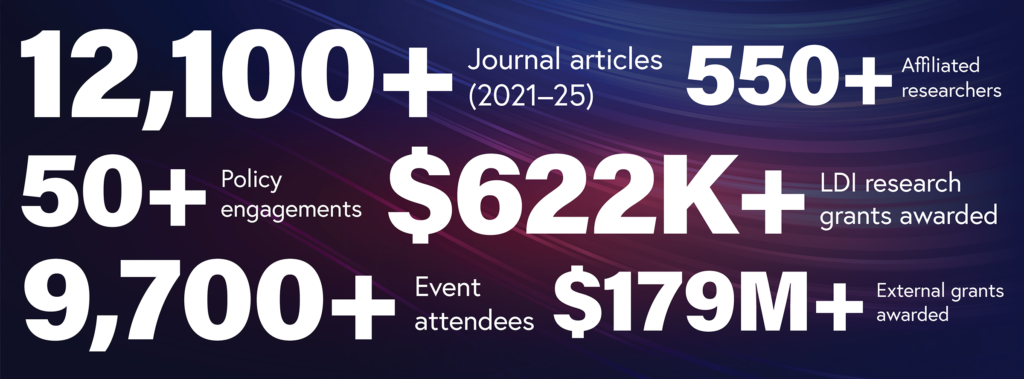
2025 by the Numbers
Turning Research into Action
We generated critical evidence to improve U.S. health care delivery, patient care, and health policy, with groundbreaking research on Medicaid and Medicare, nurse staffing, artificial intelligence, SNAP policy, long-term care, substance use disorder, and more.

For-Profit Hospitals Invest Less in Nursing Services
K. Jane Muir, Matthew McHugh, and Karen Lasater found that for-profit hospitals invested less in nurse staffing than non-profit hospitals and had higher patient-to-nurse ratios and poorer ratings on patient safety and infection prevention measures.
Medicaid Cuts Will Imperil Many Sick Recipients
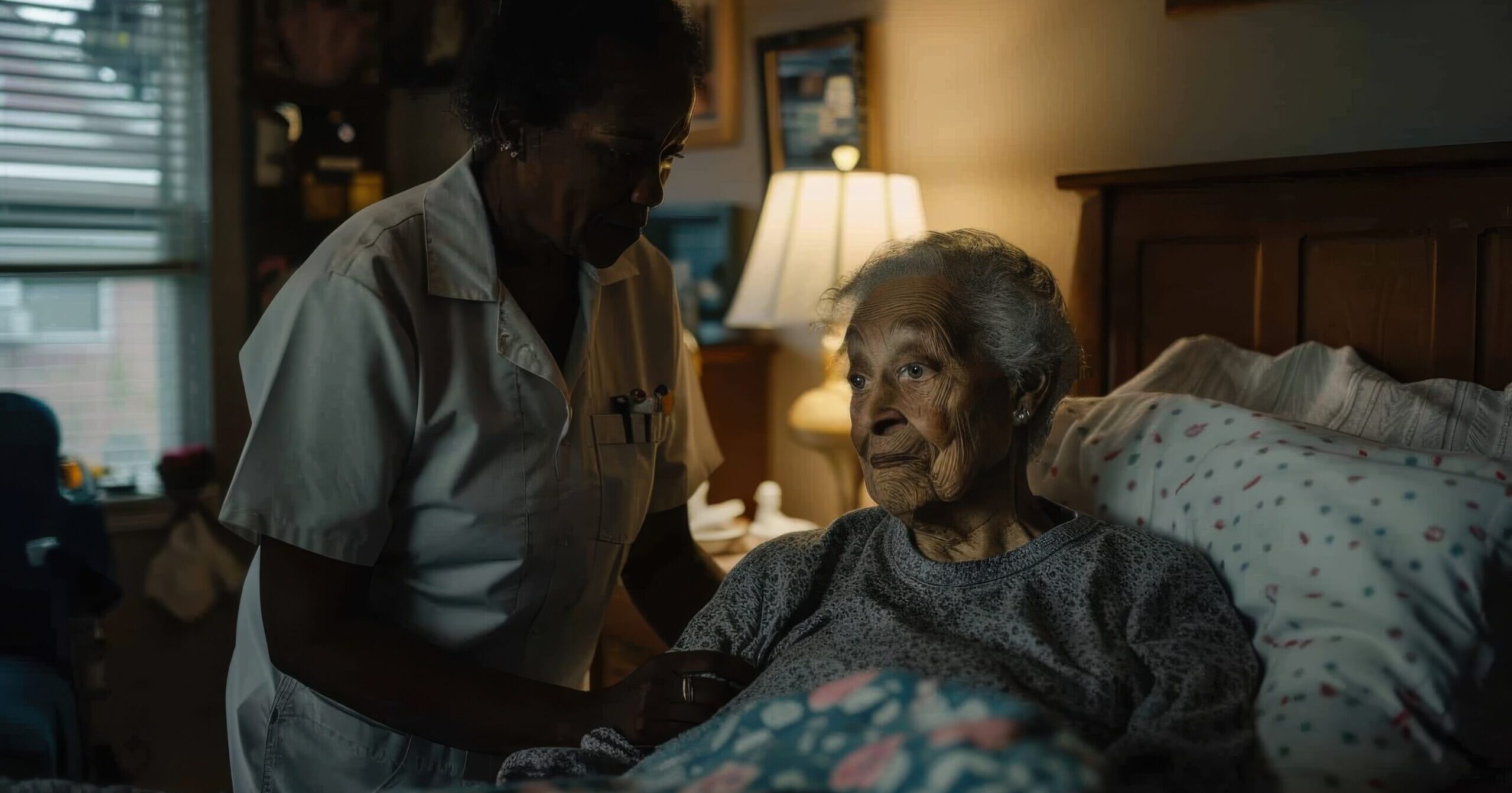
Eric T. Roberts, Aaron Schwartz, and Rachel M. Werner revealed the impact of losing insurance: Medicare-Medicaid enrollees who lost access to Medicaid could no longer get low-cost drugs, causing a jump in mortality and demonstrating one potential impact of upcoming Medicaid cuts.

AI Breakthrough May Transform Public Health Campaigns
Dolores Albarracín built a novel AI system that creates effective public health social media campaigns in real time. These messages were six times as likely to be posted by public health agencies, highlighting the system’s promise for improving public health messaging.

U.S. Children Are Suffering: A Generation Grows Up Sicker, Sadder, and Dying Sooner
Christopher Forrest uncovered widespread declines in U.S. children’s health from 2007 to 2023—from rising chronic illness and emotional distress to earlier puberty and higher mortality—and urged a transformation of children’s developmental ecosystems.

Bundled Payments Saved Money for Outpatient Surgeries
Aidan Crowley, Amol Navathe, and Austin Kilaru will help inform federal experiments with bundled payments rolling out in 2026, based on their research that bundled payment for outpatient joint replacement and spine surgeries can reduce spending by reducing hospital readmissions.
Medicaid’s Low Pay for Doctors Makes Finding Care Hard
Diane Alexander found that raising Medicaid primary care payments for doctors significantly improved health care access for patients and even reduced school absenteeism in children.
Shaping Policy
We provided actionable evidence that shaped key policy agendas in 2025, including quantifying mortality impacts of the budget reconciliation bill, testifying before the Senate Finance Committee and Philadelphia City Council, and producing policy-relevant analyses that influenced decisionmakers at multiple levels of government.
Letter | Senate Finance Committee
Projected Mortality Impacts of the Budget Reconciliation Bill
Rachel M. Werner, Norma B. Coe, and Eric T. Roberts

Testimony | Philadelphia City Council
Restricting Youth Access to Nicotine and Tobacco Products
Andy Tan

Memo | Senate Committee on Finance
Analysis of the Rural Health Transformation Program
Paula Chatterjee and Rachel M. Werner

Comment | U.S. Department of Labor
Impact of Proposed Changes to the Application of the Fair Labor Standards Act to Domestic Service on the Home Care Workforce
Rachel M. Werner and Amanda Kreider
Testimony | Philadelphia City Council
Health Benefits of Philadelphia’s Sweetened Beverage Tax
Christina Roberto

Policy Brief
Reforming Long-Term Care Policy: Lessons from the Past, Imperatives for the Future
Rachel M. Werner, Allison Hoffman, and Tamara Konetzka
Investing in the Future
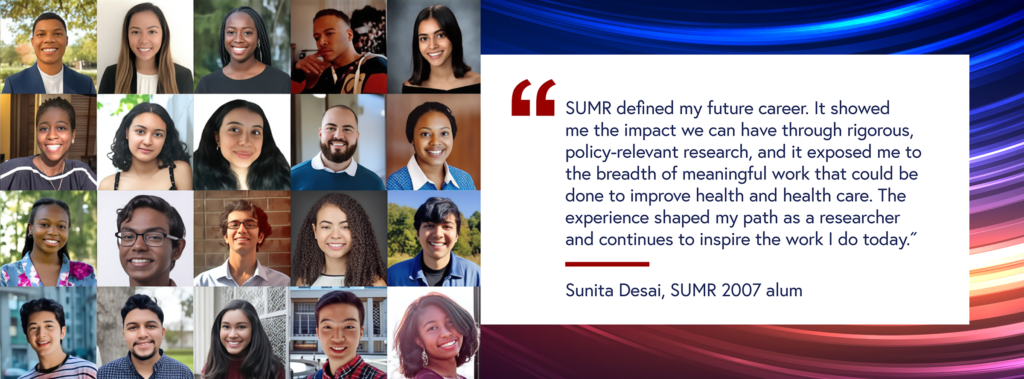
We raised a historic $5.5 million to expand the Summer Undergraduate Mentored Research (SUMR) Program and health care access initiatives. Made possible by a $3.5M gift from the Leonard and Sophie Davis Fund and remarkable community support that met a $1M matching challenge, the transformative fundraising effort strengthens our ability to train future leaders and increase diversity in health services research.
Engaging National Audiences
We engaged a national audience of over 9,700 across the health care, government, academia, for-profit, and non-profit sectors through a vibrant event series in 2025. Leading national expert panels unpacked the most pressing issues shaping health policy, from financing long-term care, assessing value-based payment, and identifying the health impacts of HR1 (One Big Beautiful Bill), to designing food policies that improve health outcomes.
Making National Headlines
Our Fellows shaped the nation’s most consequential health policy debates, authoring nearly 50 op-eds and reaching millions through appearances in the most influential media outlets, including the New York Times, Washington Post, STAT, NPR, and USA Today.
Opinion | New York Times
Your Parents Deserve More From Their Nursing Home
Rachel M. Werner and Norma Coe


Opinion | STAT News
Instead of work requirements, Medicaid should turn to employer incentives
Mark V. Pauly

Powering Partnerships
We scaled impact by combining diverse areas of expertise through cross-sector partnerships. In 2025, we launched a collaborative research initiative with CenterWell to strengthen value-based primary care and alternative delivery models for chronic disease management and outcomes for older adults. This partnership has funded two studies that will generate rigorous evidence to inform researchers, practitioners, health care delivery experts, and policy stakeholders, focused on care utilization for chronic disease in value-based payment models, and AI-based e-consults for older adults in primary care.
Amplifying Digital Reach
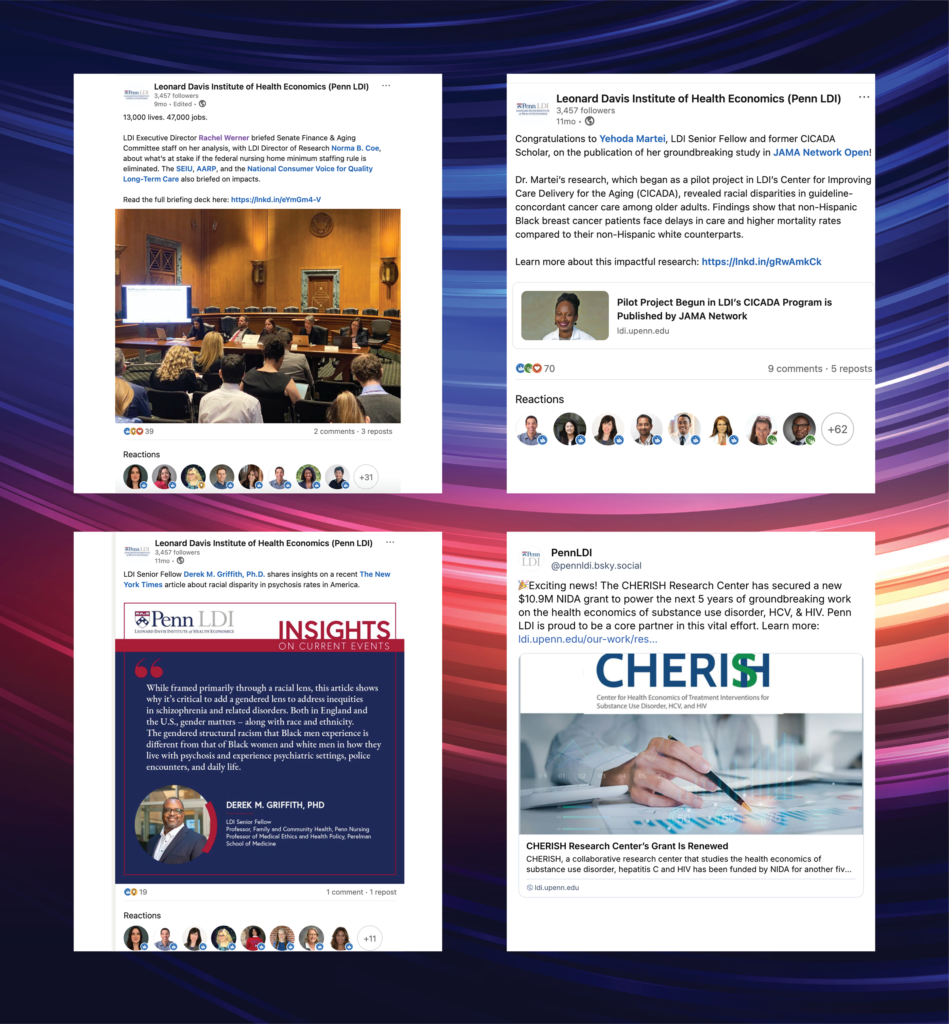
We engaged with communities across LinkedIn, Bluesky, YouTube, and X, amplifying key research findings, celebrating milestones, elevating our experts’ voices, and sharing resources.
Building Momentum
Looking ahead to 2026, we are energized to accelerate our work to achieve more effective and efficient health care for all people. Our dynamic event schedule will tackle the country’s most urgent challenges; we hope you’ll be part of the conversation!
Subscribe to our newsletter for the latest updates, and connect with us on social media.