
Incarceration as Social Determinant of Health
Penn Researcher Says Mental Illness, Chronic Disease Risks Surge After Release
Blog Post
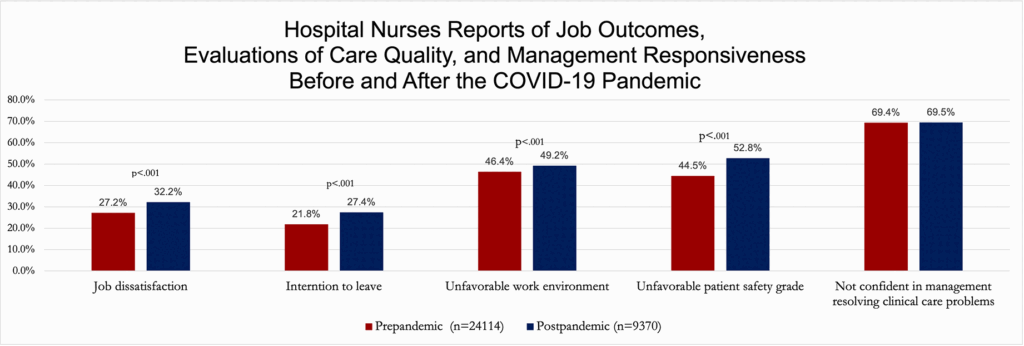
The COVID-19 pandemic placed unprecedented strain on the U.S. health care system, with hospital nurses serving on the front lines of the crisis. Since then, nurse dissatisfaction has worsened across multiple measures, according to a new study by LDI Fellows Karen B. Lasater, Matthew D. McHugh, Linda H. Aiken, and colleagues. The team found that during the pandemic, job satisfaction fell, along with perceptions of quality and management responsiveness.
Their recent Medical Care study adds to that work by reporting what happened after the pandemic. The chart depicts several findings: Nurses report higher dissatisfaction and a greater intent to leave their jobs, alongside a broad deterioration in workplace conditions and care quality after COVID-19. Lack of confidence in leaders to solve clinical care problems remained high before and after the pandemic.
With nurse turnover around 16% and nursing job vacancies averaging 8% nationwide, Lasater and colleagues suggest that hospitals do more to improve working conditions for nurses, such as pursuing Magnet status. Because hospital nurse workloads have increased since the pandemic, and inadequate staffing remains a major reason nurses leave their employers, the researchers recommend that policymakers require minimum hospitalwide staffing ratios.
The study “Hospital Nursing Has Not Returned to Pre-COVID Conditions” was published February 24, 2026 in Medical Care by Karen B. Lasater, Matthew D. McHugh, and Linda H. Aiken.

Penn Researcher Says Mental Illness, Chronic Disease Risks Surge After Release

LDI Experts Are Making Postpartum Care Safer With Telehealth, Remote Monitoring, Doulas, and Long-Acting Addiction Care

Researchers Urge Expanding Insurance Coverage with Stronger Environmental Protections to Ease the Biological Toll of Lead and Other Hazards

Faster Access to Stable Housing May Improve Health for Vulnerable Veterans, LDI Fellows’ Study Finds

Former Philadelphia Health Commissioner Releases Policy Brief as City Council Weighs Stronger Tenant Protections

First Rural Health Grants May Not Go to Areas With the Greatest Needs, LDI Experts Find